March 17th, 2014
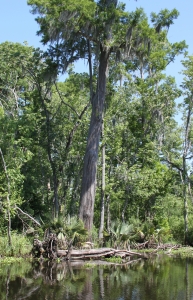 Louisiana may be known as the home of bayous and alligators, but the boot-shaped state is also becoming known as the state to house millions of dollars in unclaimed money. If you are a Louisiana resident or if you used to call the state home, you might have a sum of cash waiting for you. To conduct an instant search online with no-fee-required, visit Cash Unclaimed today.
Did You Leave Louisiana Money Behind?
This is a preview of:
Could You Have Left Money in Louisiana?(347 words, 2 images, estimated 1:23 mins reading time)
Posted in Louisiana Unclaimed Money | 3,178 Comments »
March 12th, 2014
Wisconsin may know all about cheese, but the Midwestern state has a lot to learn about lost cash. Every year the state’s treasury is in receivership of millions of dollars that rightfully belongs to residents of the state, and some funds are even owned by people who have recently moved out of state. So far this money has simply been building with no outlet to be seen. Treasurers know what to do with the money; they need to return it to the rightful owners and stat, before the problem gets too out of control. Instead of returning the money, however, treasurers have so far let the money sit.
This is a preview of:
Why Wisconsin is Still Struggling to Place Lost Cash(676 words, 1 image, estimated 2:42 mins reading time)
Posted in Wisconsin Unclaimed Money | 2,676 Comments »
March 5th, 2014
 With Delaware being such a small state, you would think that finding anything you were searching for would be very easy to find; including lost or misplaced money. It is a fact that Delaware has a large stock of misplaced money, but the money wasn’t misplaced like you might think. Instead, the cash was found by the state’s treasury and treasurers had no other option than to hoard the bills, checks and accounts into a single vault; and there the Delaware found money has grown to out-of-control levels. Your job as a Delaware state resident, or even a former resident if you think that some of this lost and found cash may be yours, is to search Cash Unclaimed for any money you may be owed. You never know how much you may collect just by conducting a search.
This is a preview of:
How to Find Money in Delaware(366 words, 2 images, estimated 1:28 mins reading time)
Posted in Delaware unclaimed money | 3,276 Comments »
March 3rd, 2014
 Washington Mutual, otherwise known as WaMu, filed for bankruptcy back in 2008, but not before the failing bank issued a statement that many of its customers would be issued a lost funds pay-out of $9.8 million. If you had deposits in a WaMu bank, bonds or any other type of account, you are encouraged to search for that money immediately. You don’t have to search the Washington Mutual bankruptcy files and you don’t even need to contact JP Morgan, which purchased WaMu a few years ago. To find Washington Mutual pay-outs that may be owed to you, visit Cash Unclaimed, use your first and last name, and provide an email address to discover the truth to this expensive mystery.
This is a preview of:
More on Washington Mutual Pay-Outs of Lost Funds(450 words, 2 images, estimated 1:48 mins reading time)
Posted in washington mutual pay-outs | 2,767 Comments »
February 27th, 2014
If you make Nebraska your home or if you used to reside there, you may have a sum of money waiting for you that now resides at the state treasury. Reports show that Nebraska is carrying upwards of $5 million in unclaimed money. These checks, bank accounts, stacks of cash and worldly possessions are piling up in a single vault and treasurers are unsure of how to divvy out the assets to the rightful owners. This is where you come in. Log into the online database Cash Unclaimed and enter your first and last name when prompted. With a single click of your mouse you will be whisked away to an awards page that could possibly change your life forever.
This is a preview of:
Find Nebraska Unclaimed Money(565 words, 1 image, estimated 2:16 mins reading time)
Posted in Nebraska Unclaimed Money | 3,301 Comments »
February 26th, 2014
 The mystery of unclaimed money in Mississippi is slowly unraveling and at just the right time. With billions currently being held by the Mississippi state treasury office, treasurers have long been wondering what to do with the influx of checks, accounts and safe deposit box contents that continue to flow into the treasury office year after year. It’s only been recently discovered that these amounts of unclaimed money in Mississippi actually have owners, but this revelation didn’t come about by the actions of the treasury. It is only up to current and former residents of Mississippi just like you to point treasurers in the right direction. If you think that the chance of you being owed money is next to nil, you might be surprised. Check out Cash Unclaimed and take your chances. Here are the most popular reasons why you might find a sum in your name.
This is a preview of:
How Did Unclaimed Money in Mississippi Become Unclaimed(390 words, 2 images, estimated 1:34 mins reading time)
Posted in Mississippi unclaimed money | 2,109 Comments »
February 24th, 2014
 New Hampshire wants all of its citizens to know that they could be rolling in dough very soon, but only if they take action. The scoop is, the state takes in millions of dollars each year in unclaimed or lost funds and so far very few people are coming forward to claim what is rightfully theirs. The money exists as cash and checks, for the most part, but there are also stocks, bonds and entire estates that need to be redistributed quickly. The state would rather this mass return of funds be conducted sooner rather than later and in order for that to happen, the citizenry is going to have to actually act. You can take part in this one-of-a-kind New Hampshire lost funds reunion by visiting Cash Unclaimed, considered to be the largest database of its kind in the known world.
This is a preview of:
The Scoop on Lost Funds in New Hampshire(351 words, 2 images, estimated 1:24 mins reading time)
Posted in New Hampshire | 2,661 Comments »
February 14th, 2014
Most people become completely flabbergasted to learn that they have unclaimed money coming to them. The reason is obvious. Money is so coveted and in such limited supply that you know when you have it and you definitely become aware of it when you don’t even have two bills to rub together. So when a person is faced with the prospect of finding hundreds or even thousands of dollars in unclaimed money, the question becomes clear. How does money become unclaimed to begin with? The following should help to clear the matter up permanently. From your very first bank account to the first apartment you ever rented, the sources of unclaimed money are sure to surprise you.
This is a preview of:
Understanding How Money Becomes Unclaimed(368 words, 1 image, estimated 1:28 mins reading time)
Posted in unclaimed money | 2,327 Comments »
February 12th, 2014
California seems to be in a lost funds crisis. With the state currently holding onto billions of dollars that still haven’t been returned to the rightful owners, treasurers are looking for any excuse to return those funds to anyone who will step forward and claim them. Of course you will have to prove that you are indeed the true owner of the California lost funds in question; but fifty, a hundred or a thousand dollars or more could be yours just by conducting a free search on a nationwide database called Cash Unclaimed.

Conducting a Quick Search
This is a preview of:
What 2014 Means for Lost Funds in California(357 words, 1 image, estimated 1:26 mins reading time)
Posted in Lost Funds | 3,084 Comments »
February 6th, 2014
 Treasurers across the country are now focusing on unclaimed child support as another source of funds that desperately need to be returned to the rightful owners. If you have been ordered to pay child support or if you have paid support at any time in the past, you might have contributed to the 2014 unclaimed child support problem. If you have ever received child support for little ones that you are – or were – in charge of, you may also have contributed to the problem. Both parties are encouraged to visit a nationwide database called Cash Unclaimed to find and claim unclaimed child support that may be owed to them.
This is a preview of:
2014 is the Year to Claim Your Unclaimed Child Support Funds(345 words, 2 images, estimated 1:23 mins reading time)
Posted in Unclaimed Child Support Funds | 3,419 Comments »